



On the afternoon of August 18, Zhang Zhong, Vice‑President of the University of Shanghai for Science and Technology (USST), led a delegation consisting of heads from the School of Optical‑Electrical and Computer Engineering, the School of Materials and Chemistry and relevant functional departments to Shanghai Huahong Grace Semiconductor Manufacturing Corporation for research‑oriented discussions and exchanges. Shi Bin, Secretary of the Commission for Discipline Inspection of Huahong Group, Chen Jianbo, Former Vice‑President, and other relevant officials from Huahong Grace warmly received the USST team. Both sides held in‑depth discussions on industry‑education integrated talent cultivation, the development of the “Huahong Class”, curriculum system reform, and joint training of Master of Engineering students.
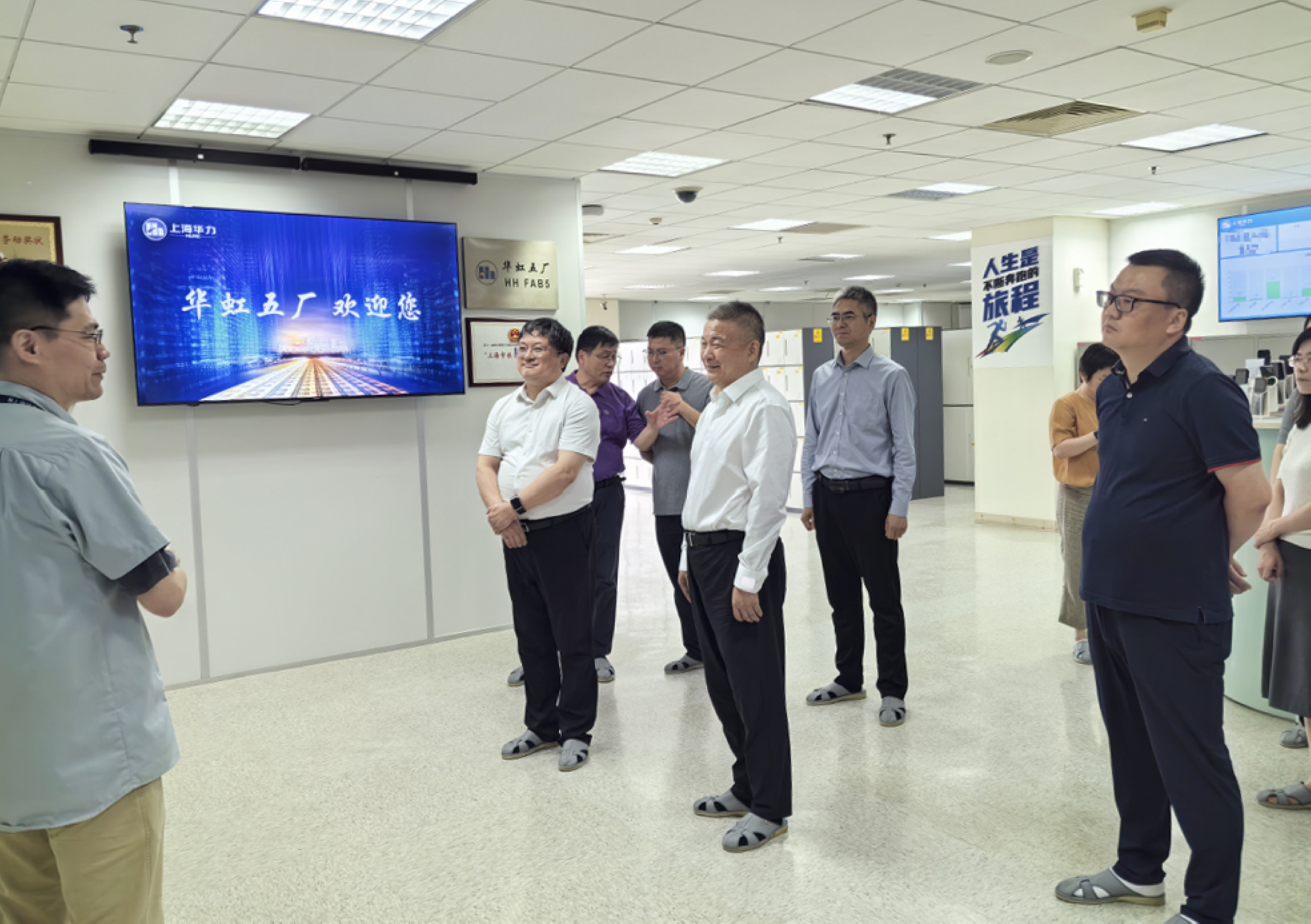
Accompanied by relevant representatives of Huahong Grace, Zhang Zhong and his delegation visited the wafer fabrication workshop and conducted an on‑site inspection of the full‑range manufacturing processes including photolithography, etching and thin‑film deposition, as well as the highly‑automated production scheduling system. Ranked the 5th‑largest pure‑play wafer foundry worldwide, Huahong Group marks its 30th anniversary this year and has launched a brand‑new corporate logo. As a world‑leading specialty‑process wafer foundry under Huahong Group, Huahong Grace boasts mature technology platforms covering embedded memory, analog and power management, power devices, logic and radio‑frequency chips, sensors and other fields. The company operates three 8‑inch fabs in Shanghai and a 12‑inch manufacturing base in Wuxi, with its process nodes extended down to 22 nm. It achieved an operating revenue of 2.4 billion US dollars in 2025. Its products are widely applied in emerging sectors such as automotive electronics, smart home appliances, new‑energy industry, the Internet of Things, robotics and low‑altitude flight. The first‑phase “Huahong Class”, jointly launched by Huahong Grace and USST, adopts a “3+1” training mode for undergraduates and a “2+1” scheme for postgraduates, enrolling a total of 28 students mainly majoring in electronic information, materials science and energy‑related disciplines. Graduates will primarily take up positions as process engineers and equipment engineers. A dual‑supervisor system and customized integrated courses will be provided after their employment, and the first cohort of students will formally enter the enterprise in September this year.
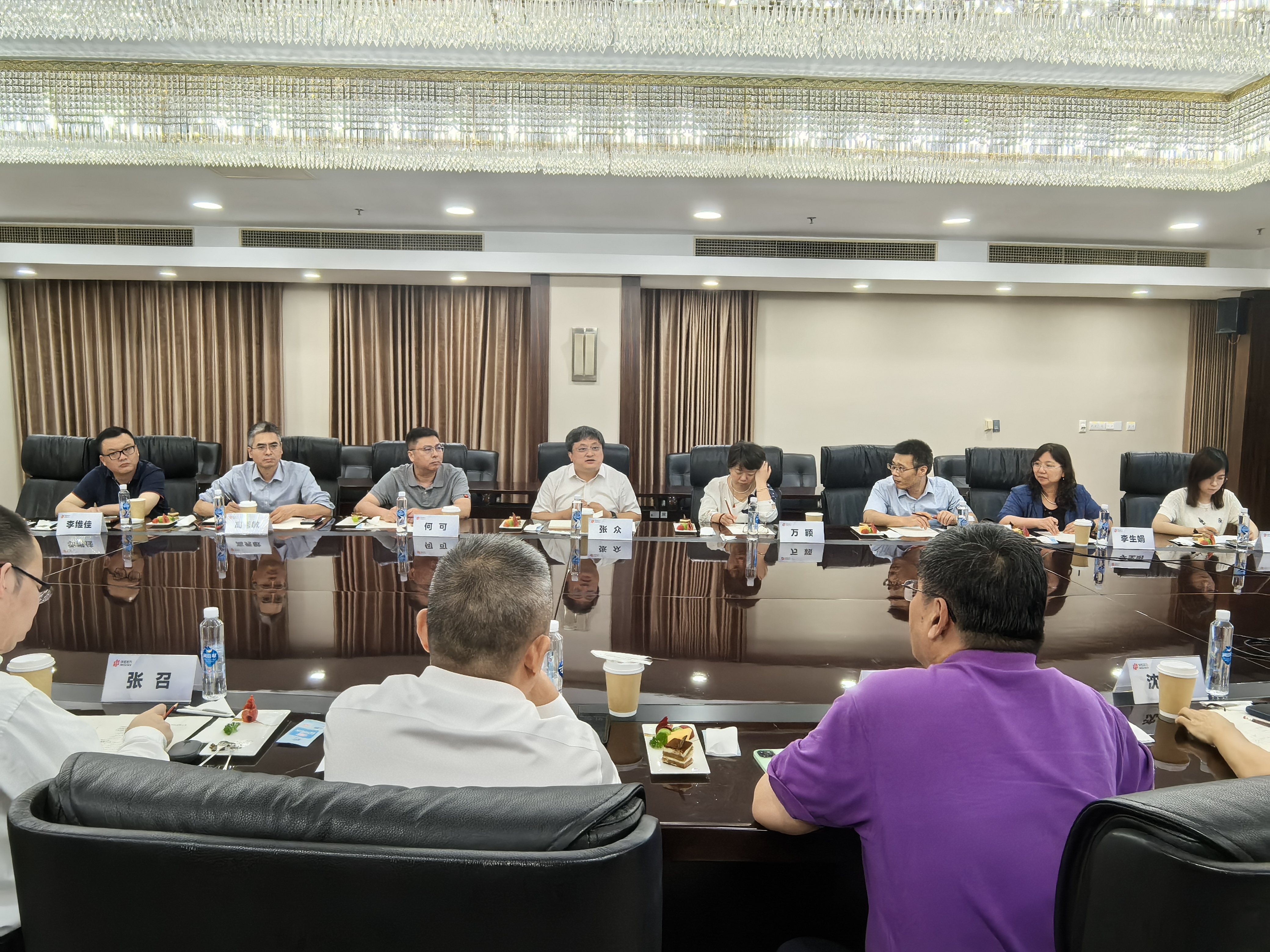
During the forum, Shi Bin stated that Huahong Group and USST share highly consistent philosophies for talent cultivation. Both parties adhere to demand‑oriented education and are committed to fostering outstanding engineers rooted in industrial practice. He stressed that students of the Huahong Class will be trained as prospective employees. The one‑to‑two‑year pre‑job training originally delivered after formal employment will be moved forward to their campus study period. Meanwhile, he hoped that the university would offer further policy support in curriculum design, credit recognition and graduation assessment, so that both sides could jointly explore a replicable and promotable new model for industry‑education integration. Drawing on more than 20 years of experience in the integrated‑circuit industry, Chen Jianbo put forward suggestions for deepening school‑enterprise cooperation. He proposed exposing students to industrial environments at an earlier stage, launching cooperation from concrete projects by referring to proven industrial collaboration practices, building mutual trust through long‑term partnership, and improving the incentive mechanism for enterprise supervisors, so as to achieve a win‑win outcome for the university, the enterprise and students.
Zhang Zhong outlined the overall reform strategy of USST for industry‑education integration. He noted that both sides could continuously optimize the talent‑training curriculum for the Huahong Class and refine the course system to match enterprise job requirements, and adjust graduation assessment criteria in accordance with industrial practice to achieve deep alignment between the training process and industrial demands. Zhang Zhong emphasized that USST is steadily advancing the reform on industry‑education‑integrated training for Master of Engineering students and expanding the coverage of joint school‑enterprise training programs. The university also supports Huahong employees to pursue further academic studies via the school‑enterprise cooperation platform, with the joint goal of cultivating outstanding engineers deeply engaged in industry. Wan Ying, Dean of the School of Materials and Chemistry, proposed in terms of curriculum reform that real‑world industrial challenges should be transformed into project‑based courses. Traditional disciplinary boundaries should be broken down, and courses should be co‑designed and co‑taught by university and enterprise instructors to compensate for university teachers’ insufficient practical experience on the factory floor.
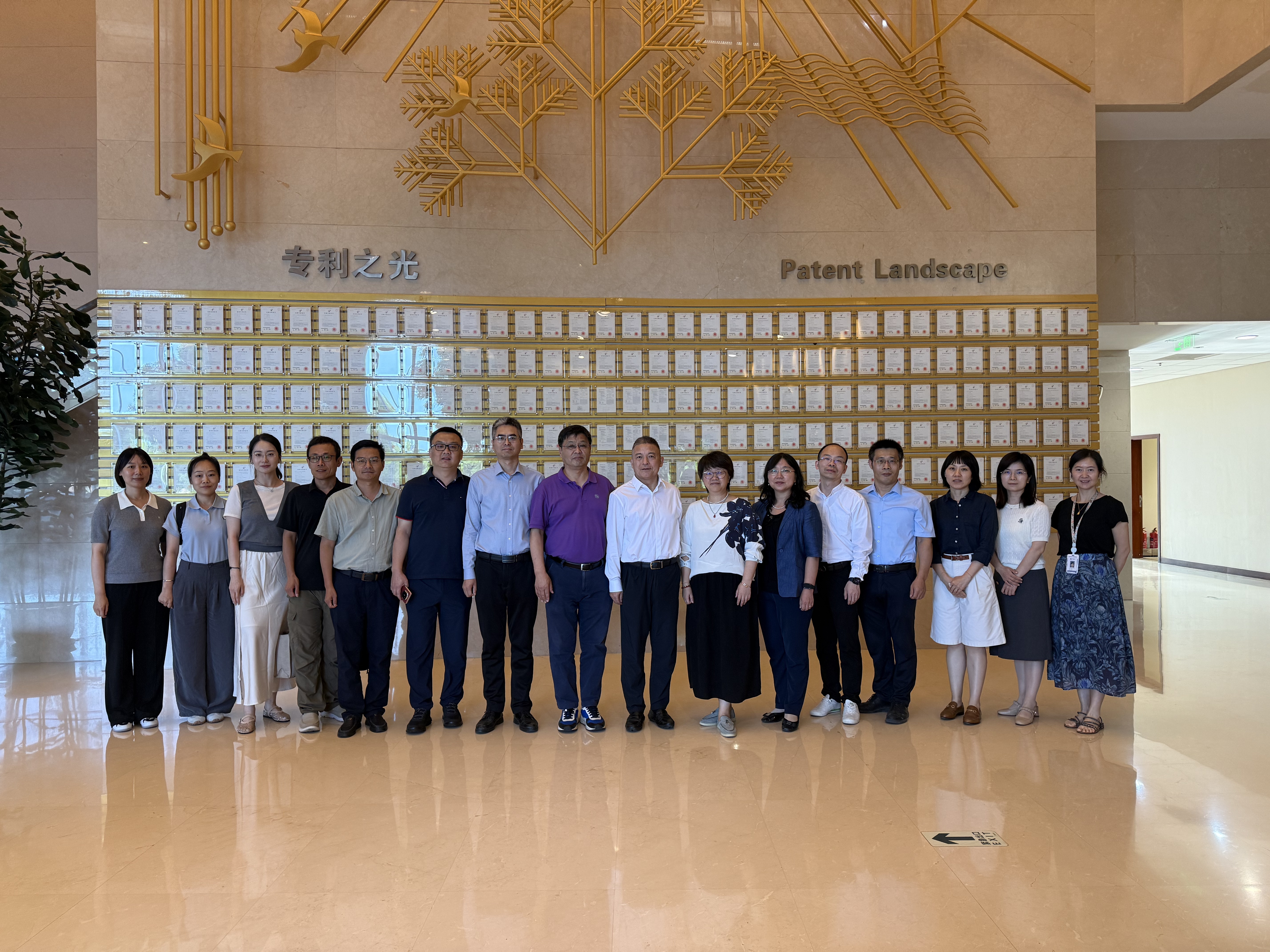
The two parties also exchanged views on multiple issues including joint postgraduate training for Master of Engineering candidates, incentives for enterprise‑based supervisors, and confidentiality protocols. It was introduced that Huahong Group has recruited more than 330 graduates from USST, laying a solid foundation for long‑term cooperation. Both sides reached an agreement to establish a regular communication mechanism, push forward the implementation of joint curriculum construction, collaborative selection and cultivation of high‑caliber students, and postgraduate training programs, and work together to cultivate more outstanding engineering talents for Shanghai’s integrated‑circuit industry who are willing to stay and capable of delivering practical value.
Full text: https://www.usst.edu.cn/2026/0821/c934a69916/page.htm